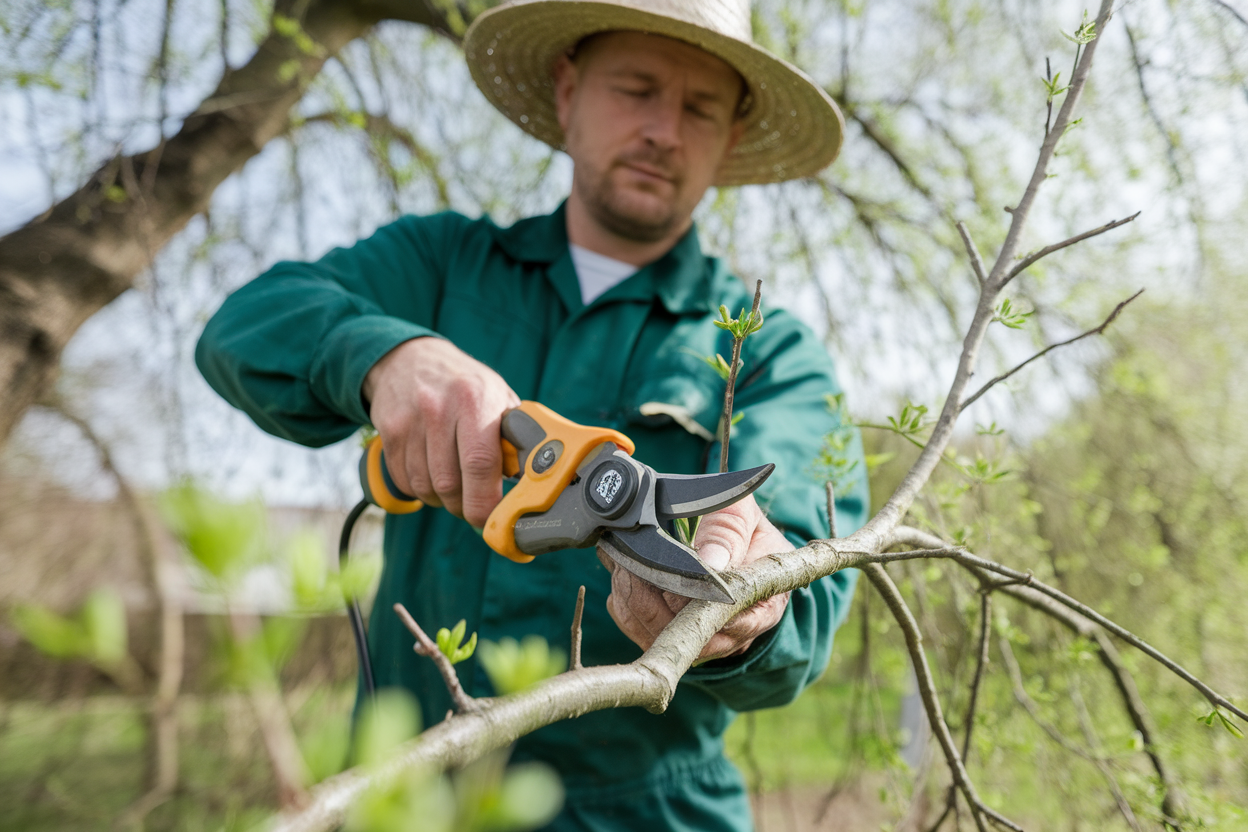
If you’ve ever tried pruning with dull or sticky blades, you know that it feels like trying to cut bread with a spoon. Keeping your cordless pruning shears1 in shape isn’t just about sharpness—it’s about performance, safety, and the joy of a clean, smooth cut.
Regular maintenance of cordless pruning shears involves cleaning, oiling, and sharpening the blades to ensure smooth operation, precise cutting, and longer tool life. Neglecting blade care can lead to rust, jamming, and reduced efficiency.
When I first started working with cordless tools, I thought cleaning2 them once a season was enough. Big mistake. Within weeks, sap and dirt turned the blades sluggish, and the motor had to work harder. Since then, I’ve built a simple habit: treat the blades like a chef treats their knives—clean, sharp, and ready.
Should I oil my pruning shears?
Yes, absolutely—and not just occasionally. Oiling your pruning shears keeps the blades moving freely, prevents rust, and reduces friction between the moving parts.
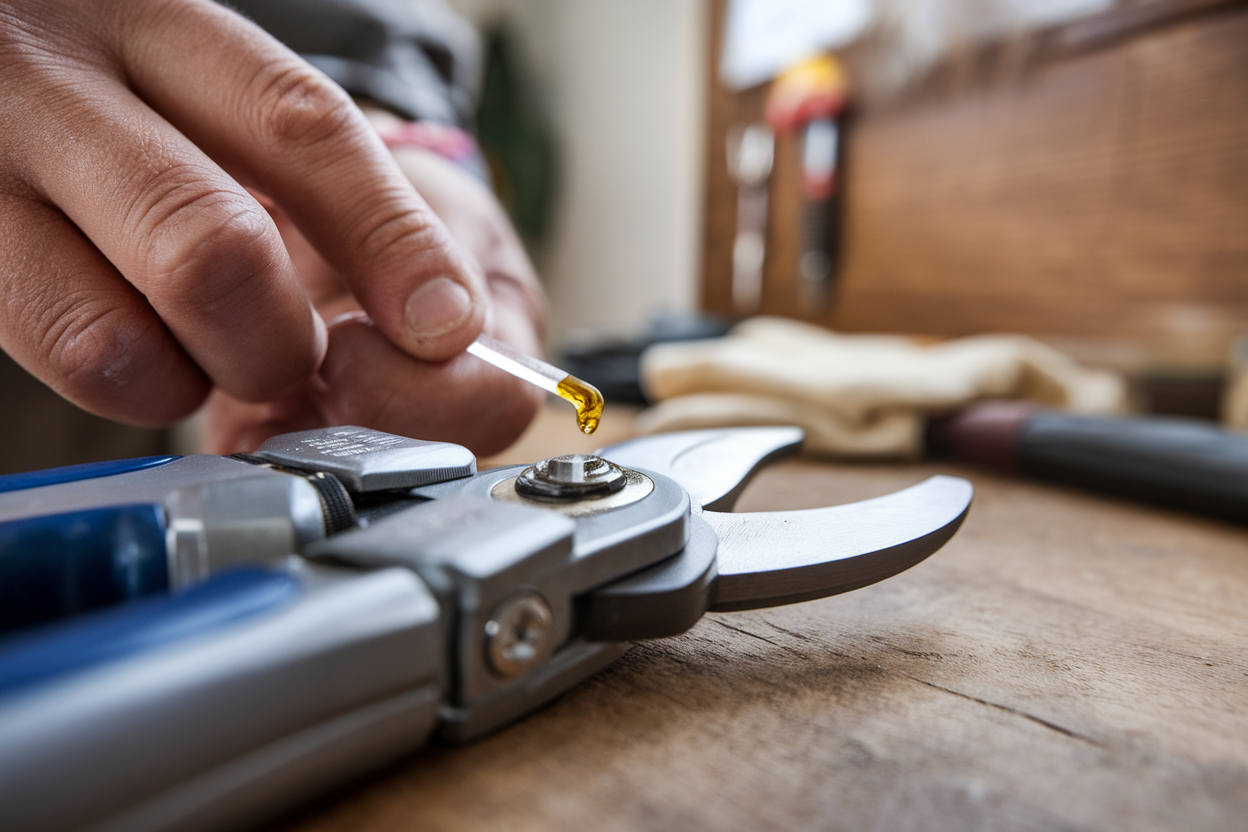
Oiling pruning shears regularly helps prevent rust, minimize friction, and extend tool life. Apply a light machine oil or lubricant to the pivot and blade edges after each cleaning, especially before storage or after heavy use.
I remember one winter when I skipped oiling my cordless pruner for a month. The next spring, I opened my tool case to find a sad sight—orange rust spots on the blade. It still worked, but not as smoothly. That’s when I learned: oiling isn’t a chore—it’s a favor you do for your future self.
How to oil your blades properly
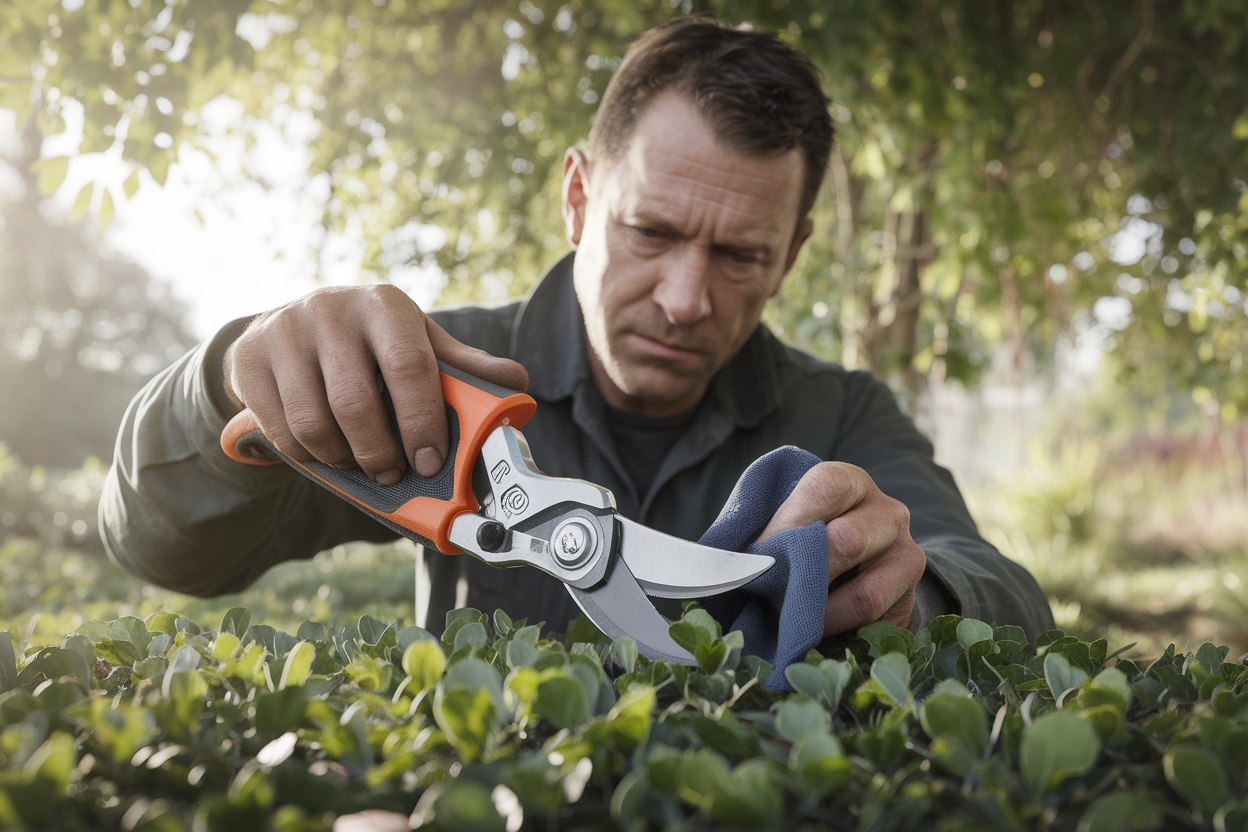
- Clean the blades with a damp cloth or brush to remove sap and debris.
- Dry completely with a soft towel.
- Apply a few drops of light machine oil to the pivot and blade edges.
- Open and close the shears a few times to distribute the oil evenly.
| Step | What to Use | Frequency |
|---|---|---|
| Cleaning | Cloth + mild soap | After every use |
| Oiling | Light machine oil | After cleaning or before storage |
| Deep lubrication | Multipurpose grease | Monthly |
How do you maintain pruning shears?
Maintenance is more than cleaning—it’s the full health check for your shears. It includes tightening screws3, checking for dull spots, and inspecting battery contacts (for cordless models).
To maintain pruning shears, clean the blades after each use, oil moving parts weekly, and sharpen blades monthly. Tighten screws and inspect for rust or damage to ensure smooth cutting and motor safety.
One of my customers once told me, “I don’t have time for maintenance.” But when his shears stopped mid-season, he lost more time waiting for replacement parts. Regular upkeep isn’t about obsession—it’s about keeping your workday smooth and predictable.
My quick maintenance routine
Every Friday afternoon—before I close the week—I spend ten minutes with my tools. A quick wipe, a dab of oil, a screw check. It’s like brushing your teeth for your shears. This habit saves me hours of frustration later.
| Maintenance Task | Frequency | Purpose |
|---|---|---|
| Clean blades | After use | Prevent sap build-up |
| Oil moving parts | Weekly | Reduce friction |
| Sharpen blades | Monthly | Maintain cutting precision |
| Check screws | Monthly | Ensure safety |
| Inspect battery | Monthly | Maintain stable power supply |
If you want to go further, consider storing your shears in a dry, ventilated place and use blade guards4 if available. It keeps moisture—and trouble—away.
How to sharpen a cordless pruner?
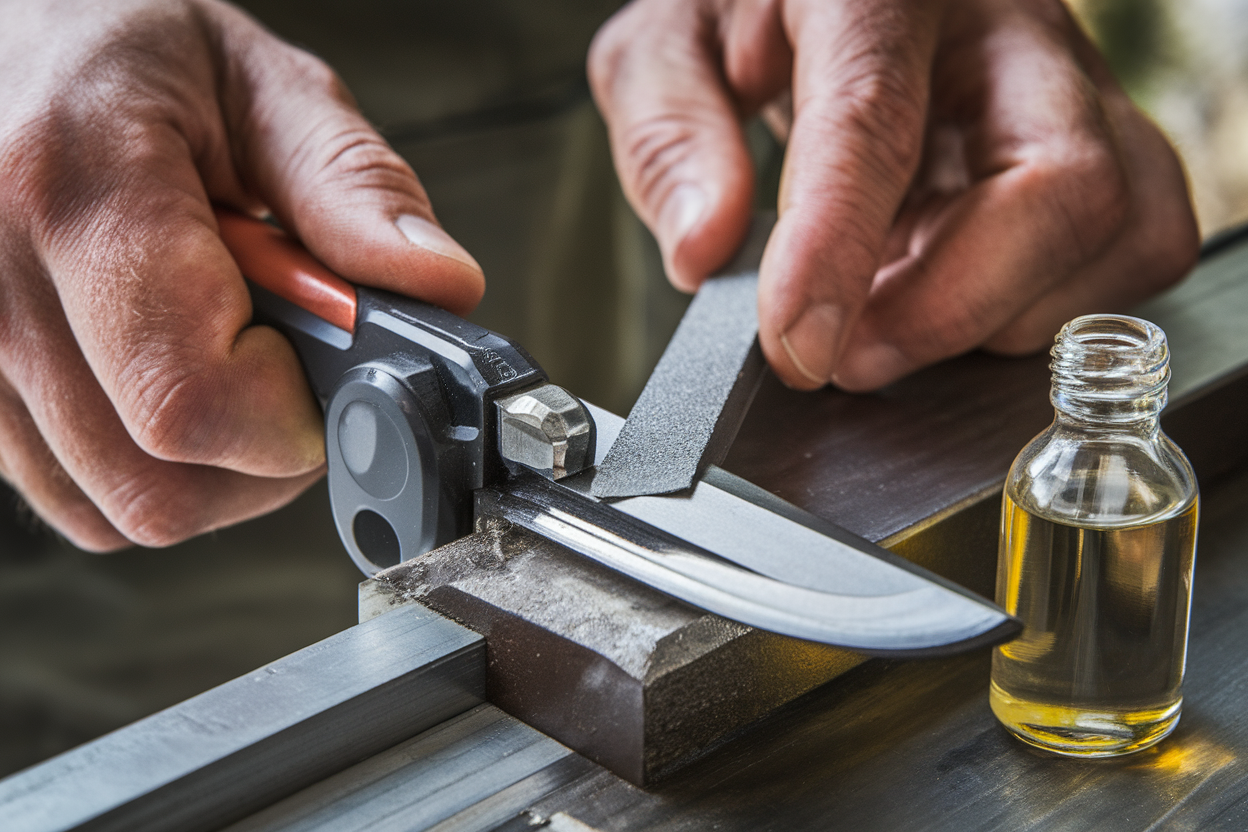
Sharpening might sound intimidating, but it’s surprisingly simple once you get the hang of it. You don’t need fancy equipment—just a sharpening stone5 or fine file and a bit of patience.
Sharpen cordless pruner blades by cleaning them first, then using a sharpening stone or diamond file to follow the original bevel angle. Finish by wiping and oiling the blades to prevent rust and ensure smooth operation.
The first time I sharpened my pruning shears, I was nervous—I thought I’d ruin the blade. But once I felt the edge bite into paper again, I realized it’s more about consistency than perfection.
Step-by-step sharpening
- Unplug or remove the battery before starting.
- Clean the blades thoroughly.
- Secure the shears on a stable surface.
- Sharpen along the bevel using a fine file—always in one direction, away from you.
- Check sharpness by cutting a piece of paper or leaf.
- Wipe and oil the blade after sharpening.
| Tool Needed | Description |
|---|---|
| Diamond file or whetstone | For fine sharpening |
| Cloth and oil | To clean and protect after sharpening |
| Gloves | Safety first |
Pro tip
If you use your pruner heavily—like trimming fruit trees or vines—consider sharpening every two weeks. You’ll notice smoother cuts and less motor strain. And your plants will thank you for it.
Conclusion
Sharp, clean, and well-oiled blades make all the difference. Maintaining your cordless pruning shears isn’t a chore—it’s a small ritual that keeps your tools reliable and your work effortless.
-
Explore this link to find top-rated cordless pruning shears that enhance your gardening experience. ↩
-
Learn effective cleaning techniques to maintain your pruning shears and ensure their longevity. ↩
-
Understand the importance of regularly tightening screws to maintain the safety and efficiency of your tools. ↩
-
Learn how blade guards can protect your pruning shears and extend their lifespan. ↩
-
Find the best sharpening stones to keep your pruning shears sharp and efficient. ↩