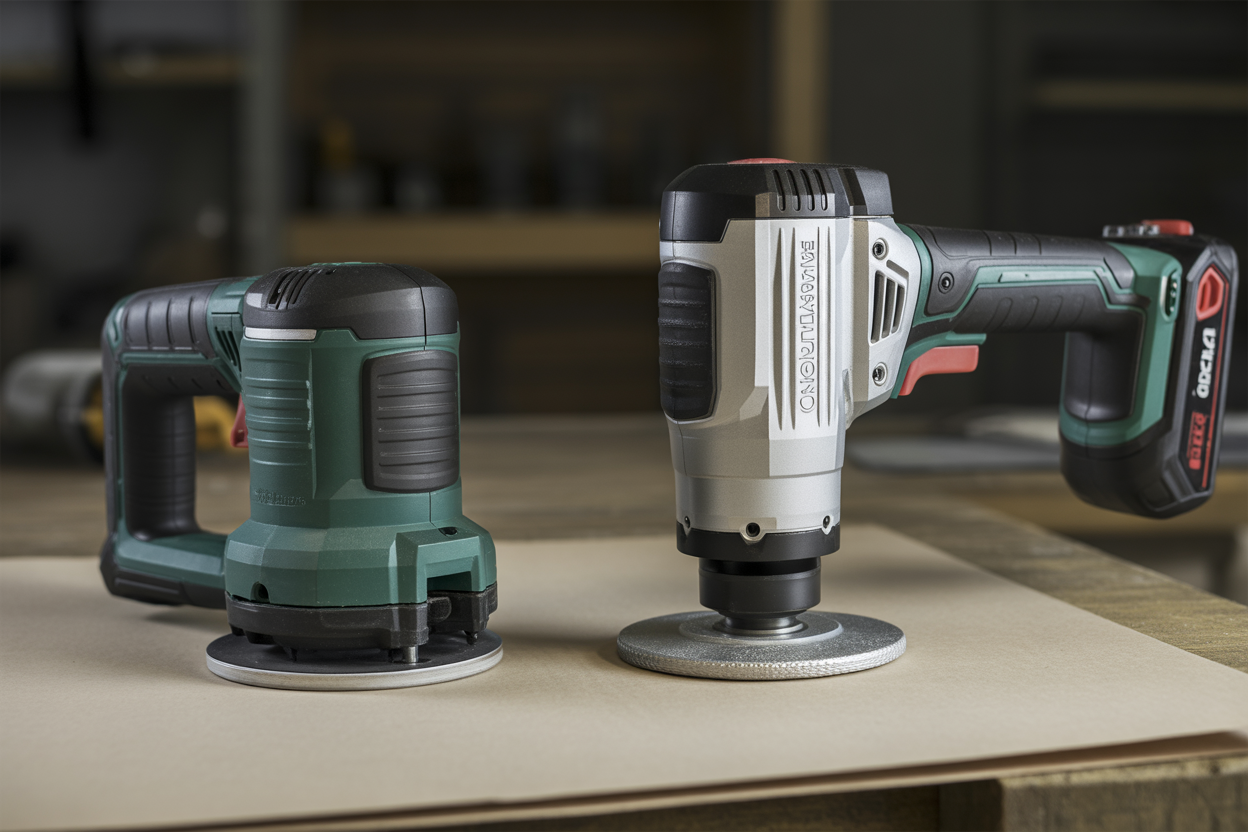
When I first saw a tile vibration tool1, I thought, “Do I really need another gadget?” But after using one on a tricky tiling job, I changed my mind. It’s small, fast, and surprisingly satisfying to use—like a massage gun for your tiles.
A tile vibration tool is worth buying if you want faster, bubble-free tile installation with less manual effort. It ensures even adhesion, reduces tile lippage, and saves time—especially for large-format tiles or professional projects.
I’ve worked with all sorts of tools over the years, but this one caught my attention because of how quietly it improves efficiency. Whether you’re a contractor or a DIY enthusiast, let’s break down whether these machines truly earn their place in your toolbox.
Do those vibrating machines really work?
At first glance, tile vibration tools seem too simple to make a difference. But here’s the truth.
Tile vibration tools work by evenly distributing adhesive beneath tiles, preventing air pockets and ensuring stronger adhesion. They reduce manual tapping and help align tiles faster, especially on large surfaces or uneven subfloors.
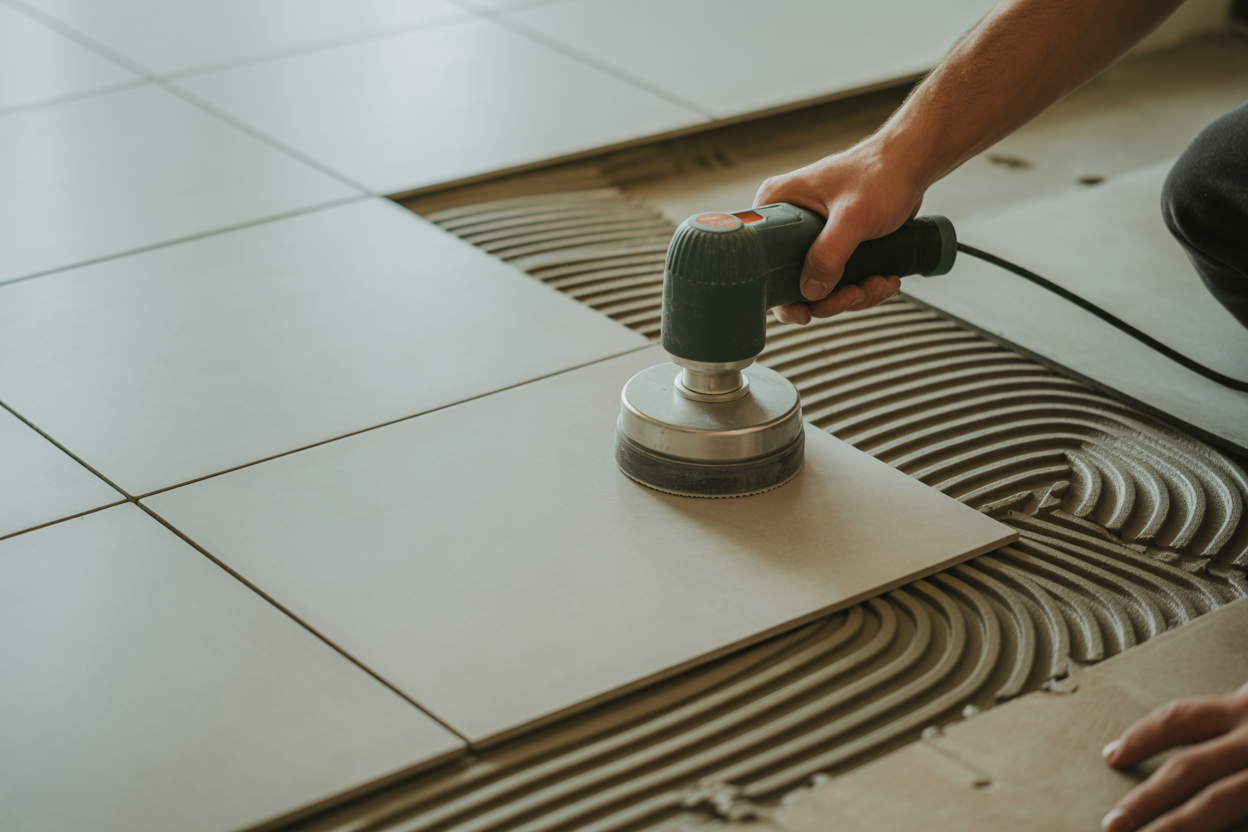
I remember a renovation job in Milan where I had to lay over 100 square meters of marble tiles. Without a vibration tool, it took hours of tapping, adjusting, and re-tapping. Once I switched to a cordless tile vibration tool, the job felt smoother—literally. The tiles settled perfectly with just a few passes, and I avoided those tiny hollow spots that usually show up days later.
Why it works so well
The tool uses rapid micro-vibrations to spread adhesive evenly beneath the tile. Think of it as shaking the bubbles out of a soda bottle—only, in this case, it’s the tile glue. The results are consistent and professional-looking.
| Feature | Benefit |
|---|---|
| Uniform vibration | Even adhesive coverage |
| Adjustable speed | Better control for different tile sizes |
| Lightweight body | Reduces worker fatigue |
And yes, even for smaller jobs, it still saves time and your wrists. Once you’ve used it, going back to manual tapping feels ancient.
How durable are tile vibration machines?
Durability is often where tools either shine or fail—especially in construction.
Tile vibration machines are generally durable when made with high-quality ABS or aluminum shells and equipped with brushless motors. A good model can last years if properly maintained and used within its intended power range.
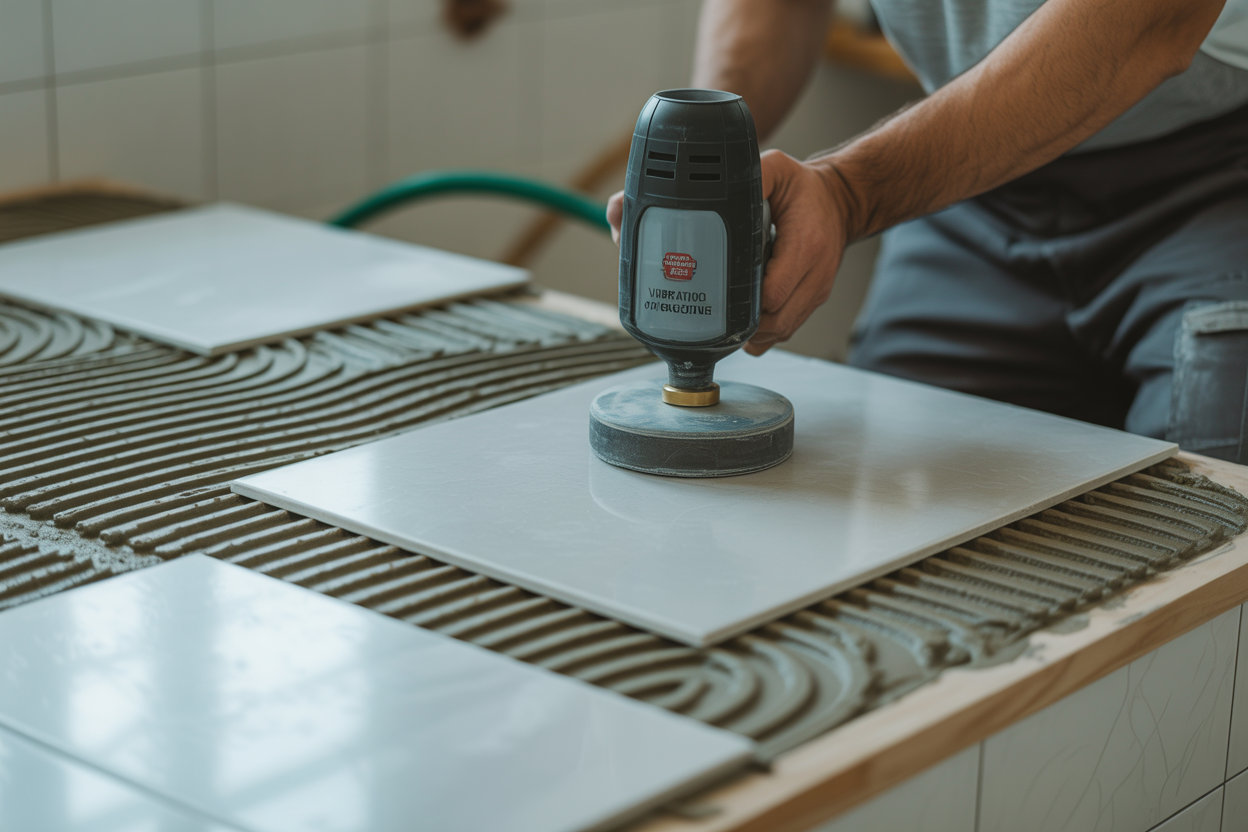
I’ve handled both cheap and premium models. The difference is night and day. Once, I bought a low-cost version from a small vendor just to test it—it overheated after three days. Later, I invested in a professional-grade cordless model from a Chinese manufacturer (the kind we make at YOUWE), and it’s still running strong two years later.
What determines longevity
- Motor type: Brushless motors last longer and run cooler.
- Battery system: High-voltage lithium batteries improve runtime.
- Material: Aluminum alloy shells handle vibration stress better than plastic.
- Maintenance: Cleaning adhesive residue regularly prevents clogging and overheating.
Here’s a simple durability breakdown:
| Component | Lifespan (estimated) |
|---|---|
| Brushless motor | 3–5 years |
| ABS housing | 2–3 years |
| Aluminum body | 5+ years |
| Battery (Li-ion) | 300–500 charge cycles |
My personal take
Durability isn’t just about how long it lasts—it’s about how consistent it feels. A sturdy vibration tool should feel solid in your hand, not shaky or noisy. When a tool feels balanced, it makes your work calmer, faster, and oddly satisfying.
Conclusion
If you’re serious about tile work—especially large or premium projects—a tile vibration tool is absolutely worth buying. It saves time, improves finish quality, and keeps your arms from hating you. Trust me, once you use it, you’ll never go back to the rubber mallet again.
-
Explore the advantages of tile vibration tools to enhance your tiling projects and improve efficiency. ↩