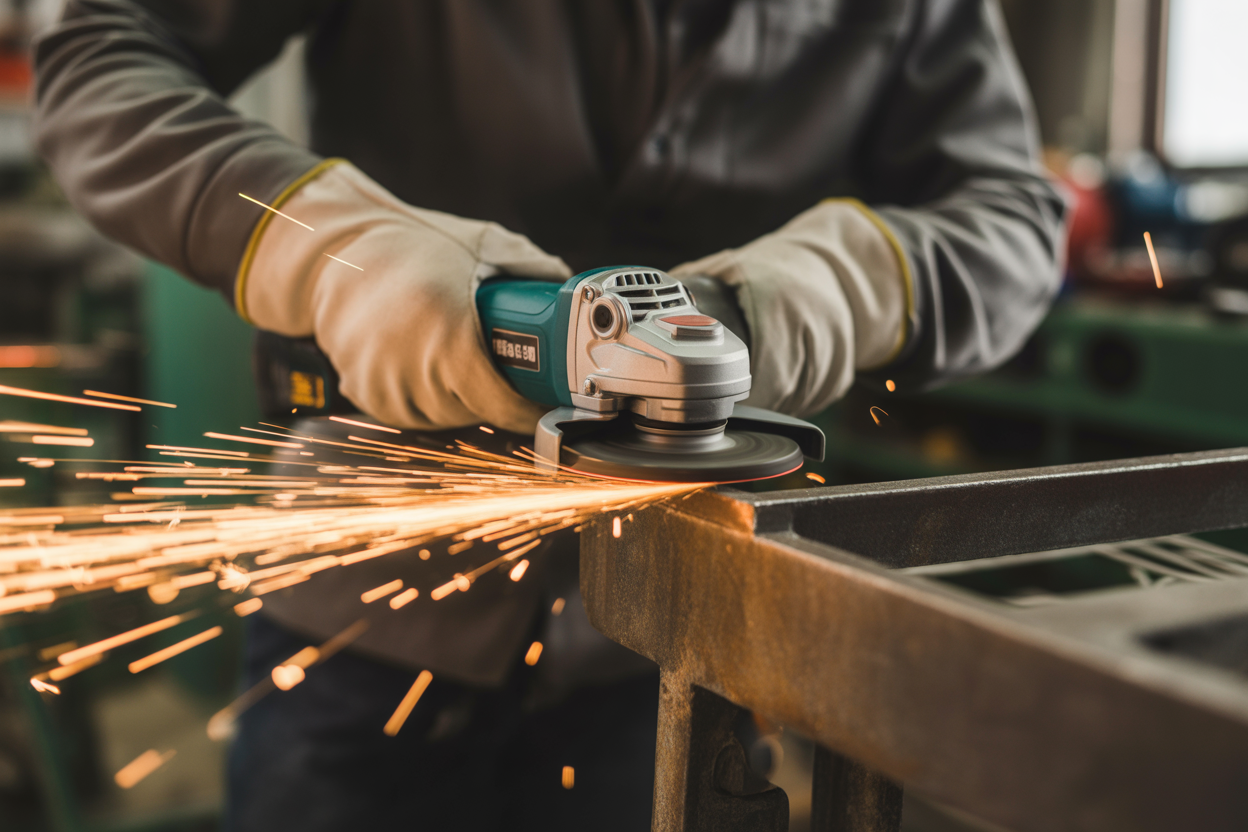
When I first picked up a cordless angle grinder[^1], I thought it was just for cutting[^2] metal. I couldn’t have been more wrong. This small, loud beast can grind, polish, sand, and even carve wood—if you know how to handle it right.
A cordless angle grinder is used for cutting, grinding, polishing, and cleaning various materials such as metal, stone, and wood. It offers freedom of movement without a power cord, making it ideal for outdoor or hard-to-reach work areas.
If you’ve ever been in a workshop, you know that one tool often does the work of many. That’s exactly what a cordless angle grinder feels like—a multitool in disguise. But like any powerful tool, it needs respect. Let’s dive into what it’s really used for, and what you should never do with it.
What not to do with a cordless angle grinder?
The first time I saw someone misuse an angle grinder, it was terrifying. Sparks flying, cutting disc wobbling—and yes, a near miss. It taught me fast that “power” without “control” is just chaos.
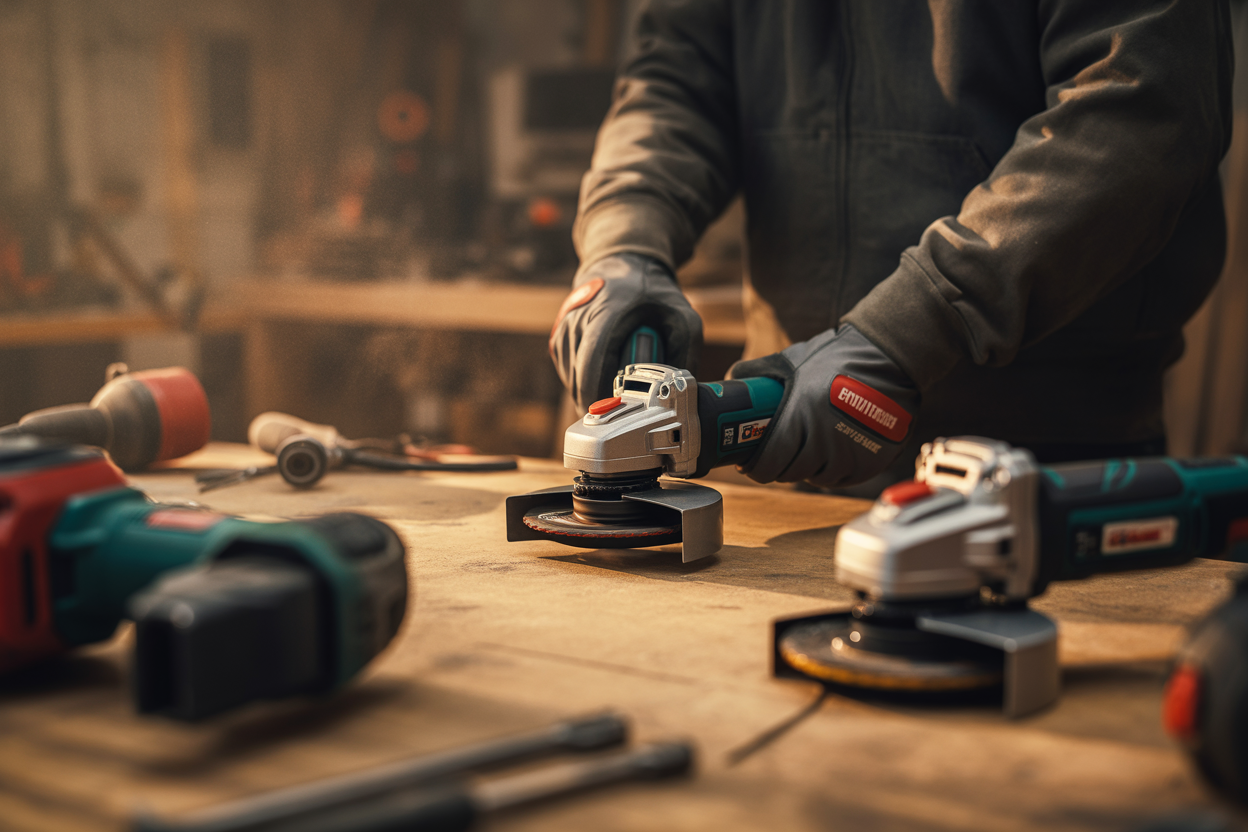
Never use a cordless angle grinder without the guard, with the wrong disc type, or near flammable materials. Avoid using it one-handed or at awkward angles, as this increases the risk of kickback and serious injury.
Dive deeper
Let me paint a picture: you’re cutting a metal rod, everything feels steady, then bam—the grinder jerks back. That’s kickback[^3]. It happens when the disc binds or catches the material unexpectedly. Even experienced users can get caught off guard.
| Unsafe Practice | Risk |
|---|---|
| Removing guard | Flying debris, injury |
| Using damaged discs | Shattering, kickback |
| Cutting with grinding disc | Disc failure |
| Wearing loose clothes | Entanglement |
| Using near gas or paint | Fire hazard |
When I train new buyers or demo tools at trade shows, I always remind them: cordless grinders are lightweight but not toys. One slip, and you’re dealing with more than just a nicked finger. Think of it as dancing with fire—you lead, but only if you know the steps.
What material cannot be cut by cordless angle grinder?
You’d be surprised how many people think a grinder can slice through anything. Metal? Sure. Stone? With the right disc. But glass? Not a chance.
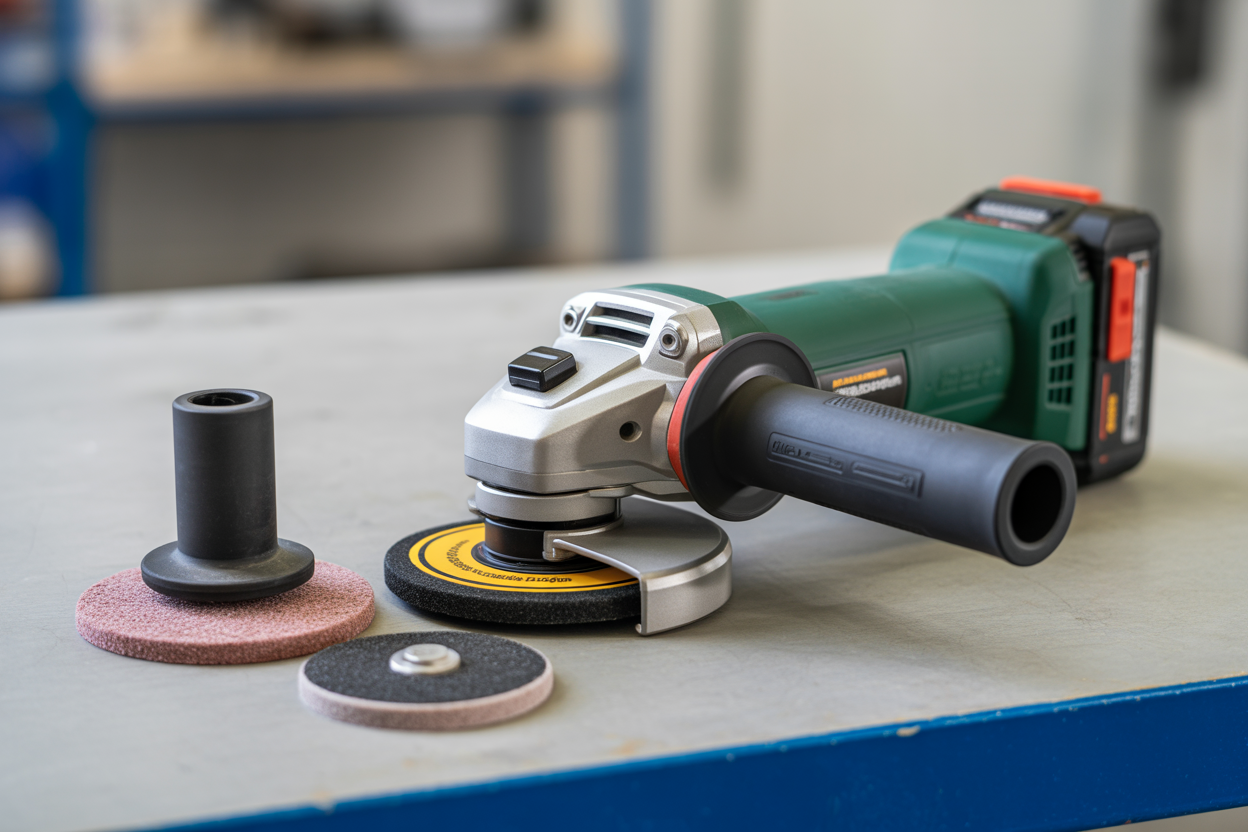
Cordless angle grinders should not be used to cut glass, plastic, or highly flammable materials. These materials can melt, crack, or ignite, causing damage to both the tool and the user.
Dive deeper
Every material tells a story when you cut it. Metal sings with sparks. Stone grinds with a roar. But glass and plastic? They scream—literally—before shattering or melting. That’s why manufacturers design specific discs for each material.
Here’s a quick guide:
| Material | Suitable Disc | Safe to Cut? |
|---|---|---|
| Steel | Metal cutting disc | ✅ Yes |
| Stone/Concrete | Diamond disc | ✅ Yes |
| Glass | None | ❌ No |
| Plastic | None | ❌ No |
| Wood | Only with saw-type disc | ⚠️ With caution |
Once, during a factory demo, someone tried to cut PVC with a grinder. The smell of burnt plastic filled the air, and the melted edges stuck to the disc. We ended up replacing both the blade and the tool. Moral of the story? Know your material before you power up.
What is the most common injury from a cordless angle grinder?
If you’ve ever seen grinder injuries, you’ll never forget them. It’s not the burns that scare you—it’s the cuts. Clean, deep, and fast.
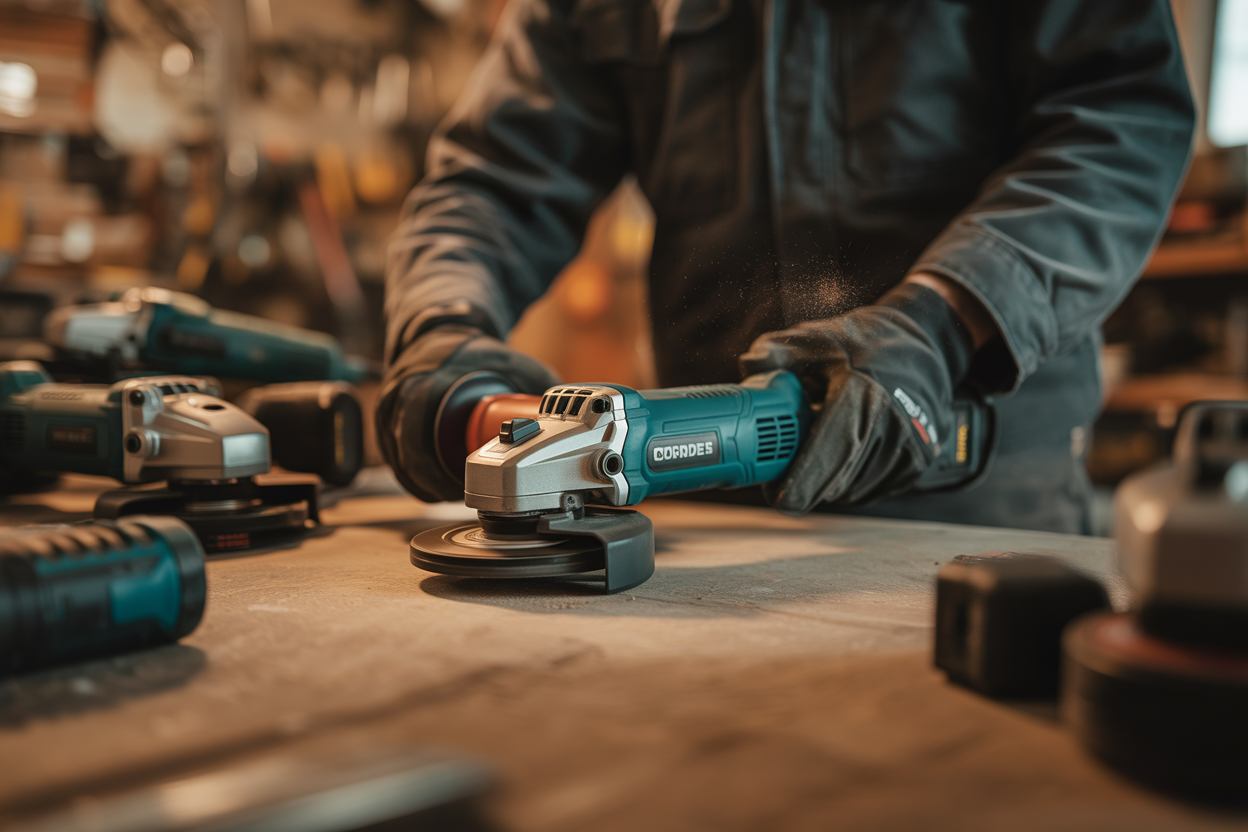
The most common injury from a cordless angle grinder is lacerations caused by kickback or broken discs. These often affect hands, arms, and faces when users lose control or remove safety guards.
Dive deeper
Let me paint a picture: you’re cutting a metal rod, everything feels steady, then bam—the grinder jerks back. That’s kickback. It happens when the disc binds or catches the material unexpectedly. Even experienced users can get caught off guard.
Kickback is the top cause of grinder injuries worldwide. The key factors?
- Using the wrong disc speed or material
- Losing grip or improper angle
- Fatigue and lack of focus
- Missing safety guards
| Common Cause | Prevention Tip |
|---|---|
| Kickback | Maintain a firm grip, correct cutting angle |
| Disc breakage | Inspect disc before use |
| Flying debris | Always wear face protection |
| Burns | Avoid prolonged grinding without breaks |
Over the years, I’ve met buyers who told me stories of workers injured because the factory cut corners—no pun intended—on training or PPE. It’s heartbreaking and preventable. A cordless grinder gives freedom, but freedom always comes with responsibility.
Conclusion
A cordless angle grinder is a versatile tool—powerful, precise, and portable. But like all great tools, it demands respect. Handle it with care, choose the right discs, and remember: safety isn’t optional, it’s part of the craft.