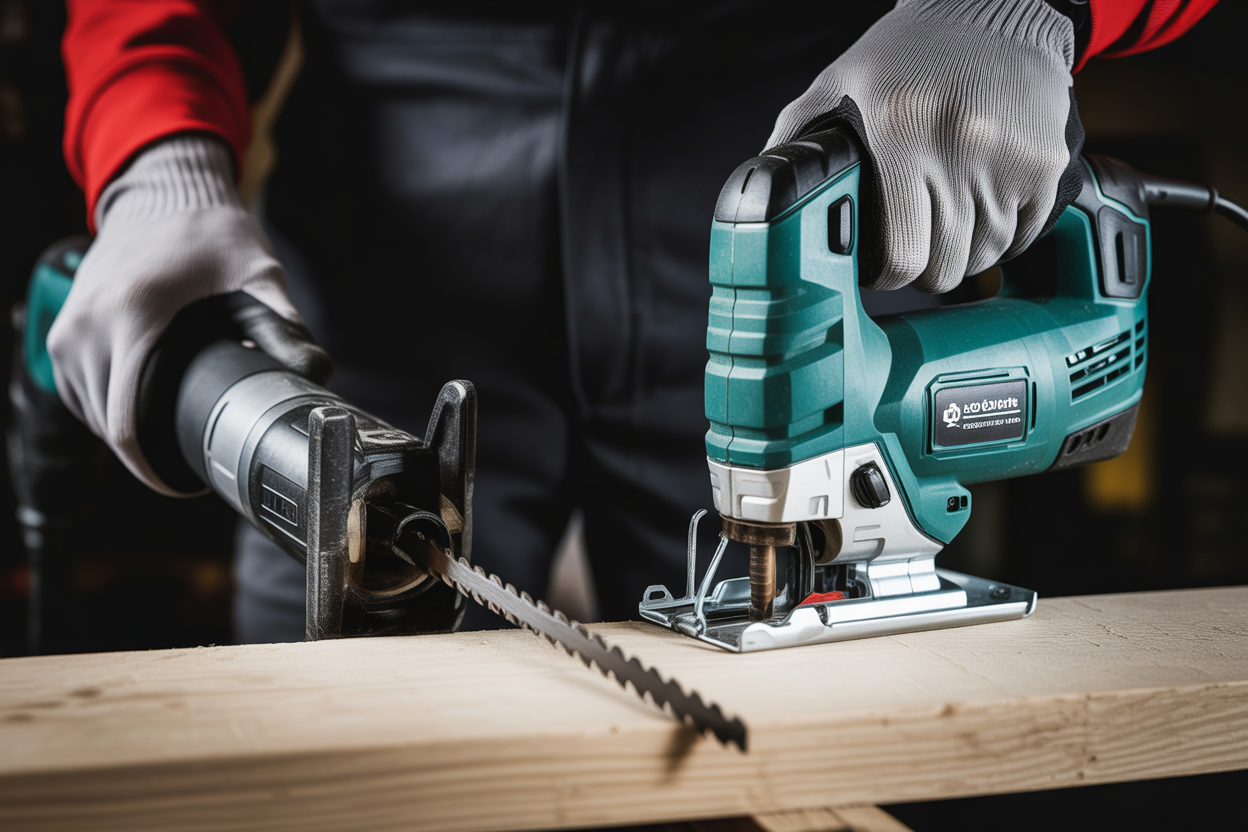
If you’ve ever stood in front of a toolbox wondering whether to grab a reciprocating saw or a jigsaw1, trust me—you’re not alone. Both are powerful, both cut fast, and both look oddly similar at first glance. But they play very different roles in the workshop.
A reciprocating saw is better for demolition and rough cuts, while a jigsaw is better for precision and curves. The best choice depends on your task: if you’re cutting through pipes or tearing down wood, choose a reciprocating saw; if you need smooth, detailed cuts, go for a jigsaw.
Before you decide which one deserves a spot in your toolkit, let’s dig deeper into their strengths, weaknesses, and what real-world users (like you and me) actually experience when working with them.
Should I get a jigsaw or reciprocating saw?
When I first started collecting tools, I made the classic mistake of thinking one could replace the other. But it’s not about replacement—it’s about purpose.
A reciprocating saw is for demolition and quick cuts; a jigsaw is for accuracy and control. Choose a reciprocating saw if you’re cutting pipes, walls, or wood quickly. Choose a jigsaw for curves, furniture work, or thin materials.
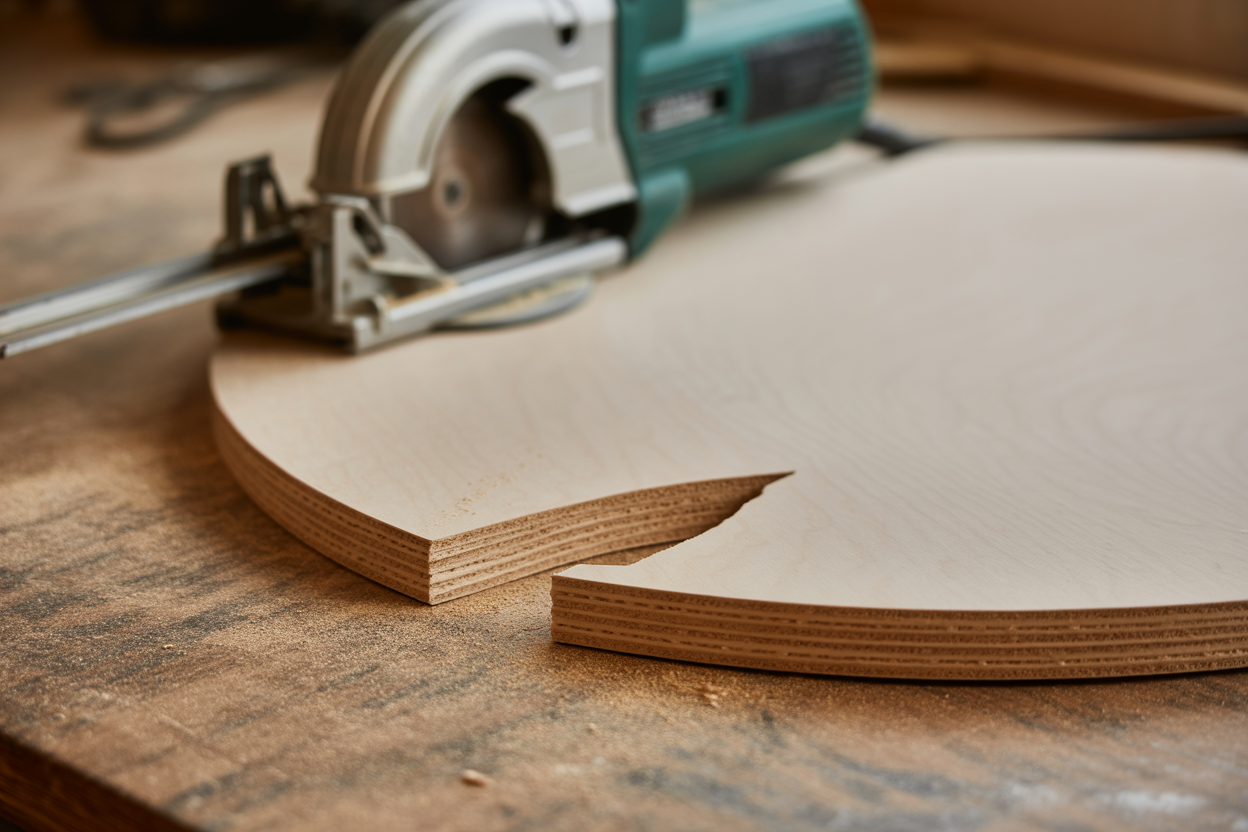
Both tools are heroes in their own worlds. The reciprocating saw is the rough-and-ready type—it doesn’t care how neat the job looks, as long as it’s done fast. The jigsaw, on the other hand, is more like a surgeon—steady, careful, and focused on clean lines.
Here’s a quick comparison:
| Feature | Reciprocating Saw | Jigsaw |
|---|---|---|
| Cutting Type | Rough, fast | Smooth, precise |
| Ideal Use | Demolition, pipes, branches | Curves, furniture, thin panels |
| Control | Low | High |
| Blade Movement | Back-and-forth | Up-and-down |
| Portability | High | High |
So if you’re tearing out an old door frame—reciprocating saw. If you’re cutting a clean pattern in plywood—definitely jigsaw.
Can you use a reciprocating saw like a jigsaw?
I tried this once. Spoiler: it didn’t go well.
Technically, you can use a reciprocating saw like a jigsaw, but the result won’t be smooth or precise. The reciprocating saw is designed for speed and power, not for fine detailing or tight curves.
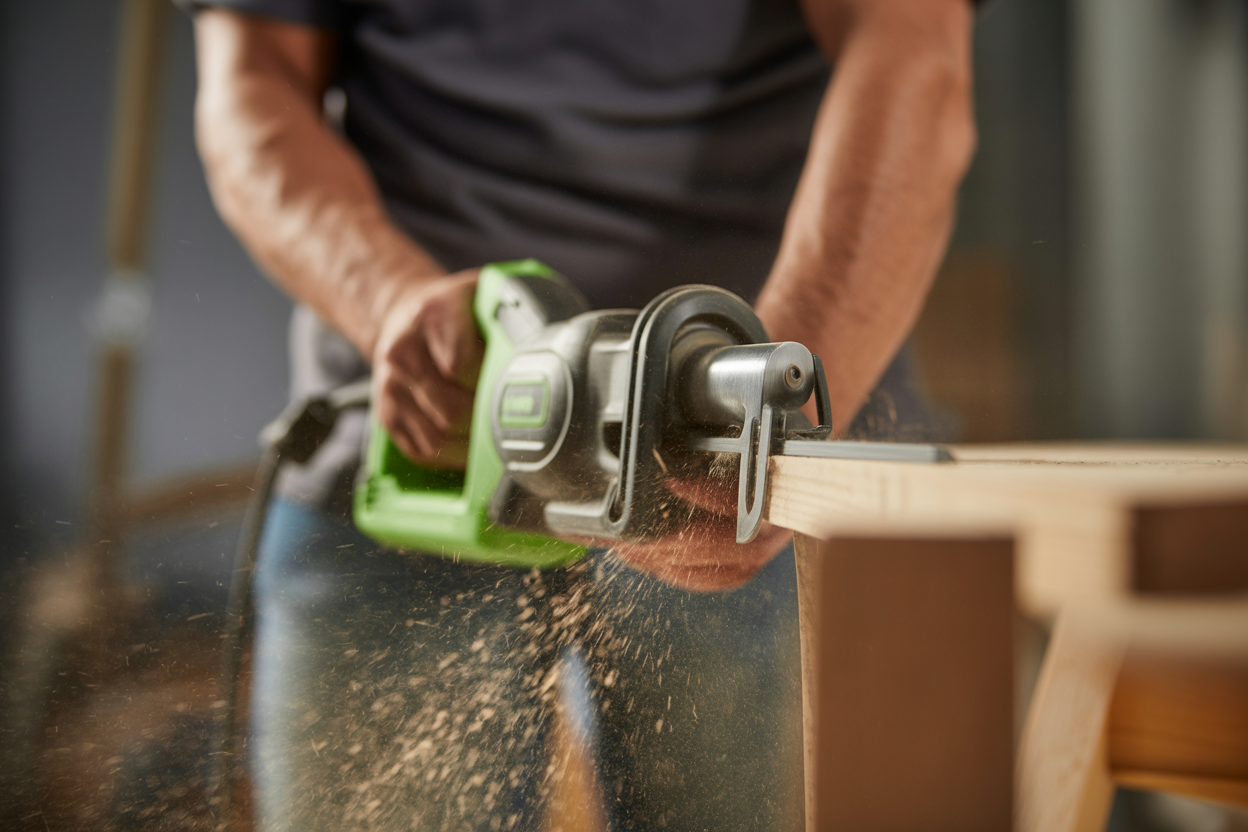
The first time I attempted to cut a circle with a reciprocating saw, it felt like trying to draw calligraphy with a chainsaw. It got the job done, but the edges were jagged, and I ended up spending more time sanding than cutting.
The blade control2 in a reciprocating saw is just too aggressive for delicate work. It jumps, vibrates, and fights against finer control. If precision matters, the jigsaw is your friend.
Still, if you’re in a pinch and don’t mind a rough finish—yes, it can cut. But it won’t look pretty.
What are the disadvantages of a reciprocating saw?
Every tool has its dark side. And the reciprocating saw, for all its brute strength, comes with a few trade-offs.
Reciprocating saws lack precision, create heavy vibration, and wear out blades quickly. They’re also noisy and harder to control, especially for beginners working on detailed projects.
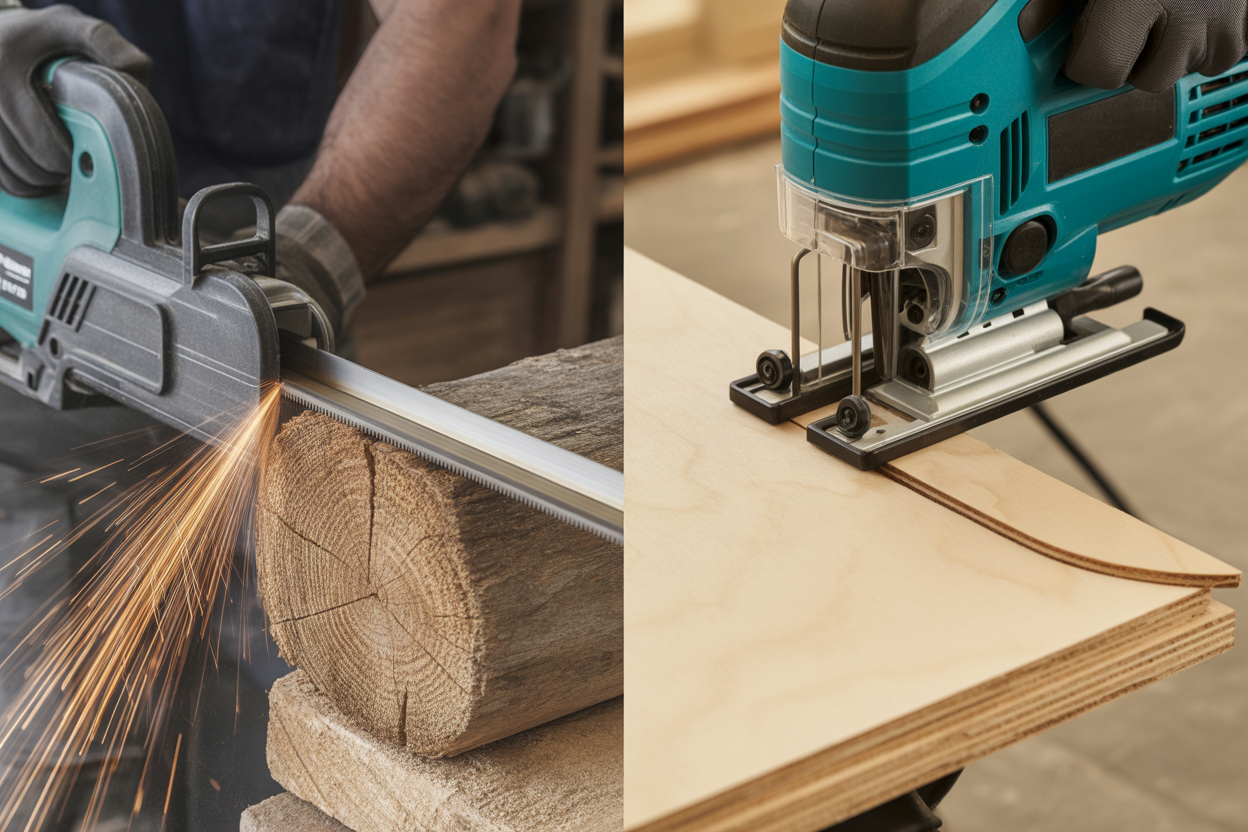
Let’s break it down a bit:
| Disadvantage | Description |
|---|---|
| Vibration | Hard to hold steady, especially on metal or hard wood |
| Accuracy | Difficult to control for fine or straight cuts |
| Blade Wear | High-speed motion dulls blades quickly |
| Noise | Louder than most saws—ear protection is a must |
| Fatigue | Prolonged use can tire your arms fast |
In my experience, these issues don’t matter much during demolition—you’re not chasing perfection, you’re chasing speed. But for delicate woodworking? It’s not the right companion.
Still, for cutting through tree roots, pipes, or drywall? It’s unbeatable.
What’s better than a jigsaw?
Now, this is where things get interesting. Some people outgrow their jigsaw when they need more power or more versatility.
Tools like circular saws or oscillating saws can outperform jigsaws in speed, depth, and material range. Circular saws excel in straight cuts, while oscillating saws handle tight spaces and precision trimming.
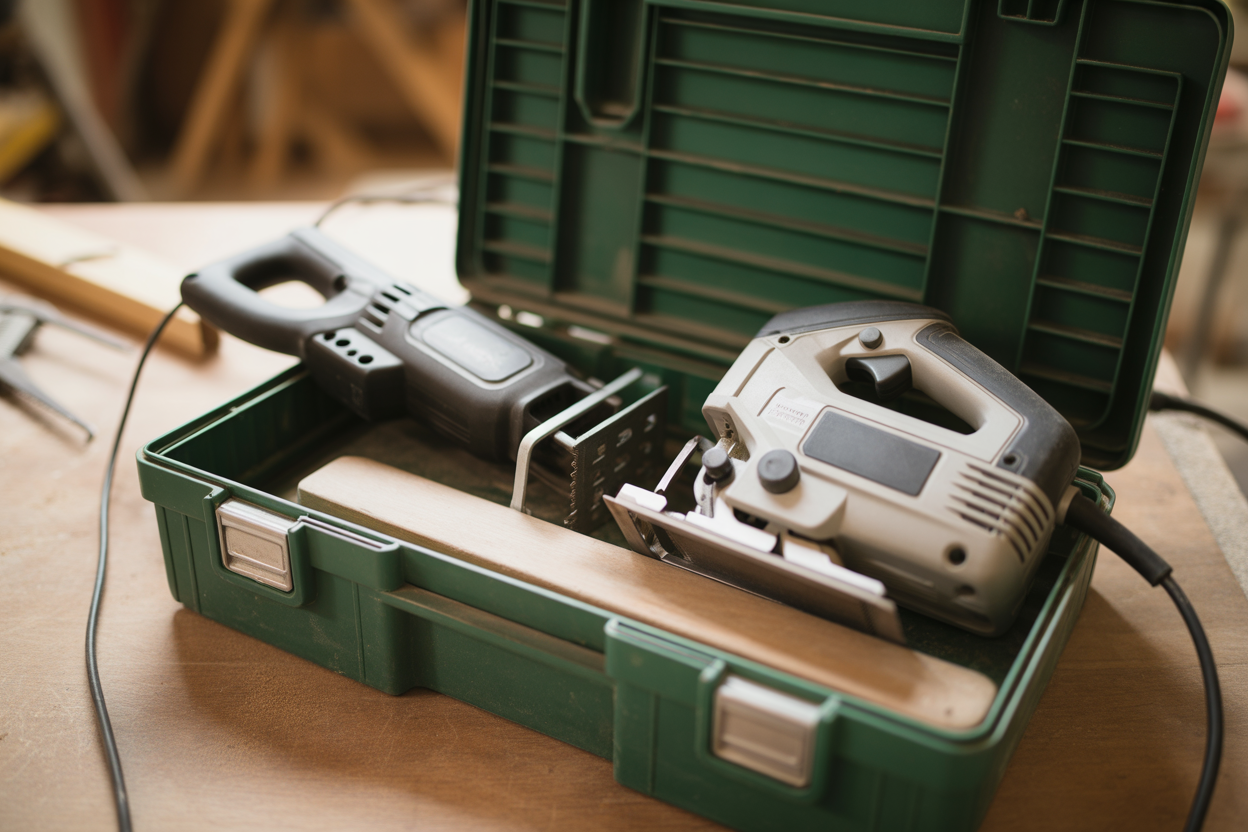
Let’s explore a few “next-level” alternatives:
| Tool | When It’s Better Than a Jigsaw |
|---|---|
| Circular Saw | Cutting large sheets fast and straight |
| Oscillating Tool | Tight spaces, trimming, small cuts |
| Band Saw | Smooth curved cuts on thick wood |
| Scroll Saw | Intricate patterns or detailed shapes |
I remember switching to a circular saw for building a workbench—it sliced through thick plywood in seconds, something my jigsaw struggled with. Still, I often find myself returning to the jigsaw for curves or fine finishes. It’s not about replacing it—it’s about knowing when to use what.
Conclusion
In short, a reciprocating saw isn’t better than a jigsaw—it’s just built for a different job. If you want power and speed, go with the reciprocating saw. If you want precision and beauty, stick with the jigsaw.
At YOUWE, we believe every tool has its moment to shine—just like every craftsman.
Written by Lynn Rao, for YOUWE Power Tools Manufacturer
Visit www.youwesaw.com to explore more cordless solutions designed for real professionals like you.