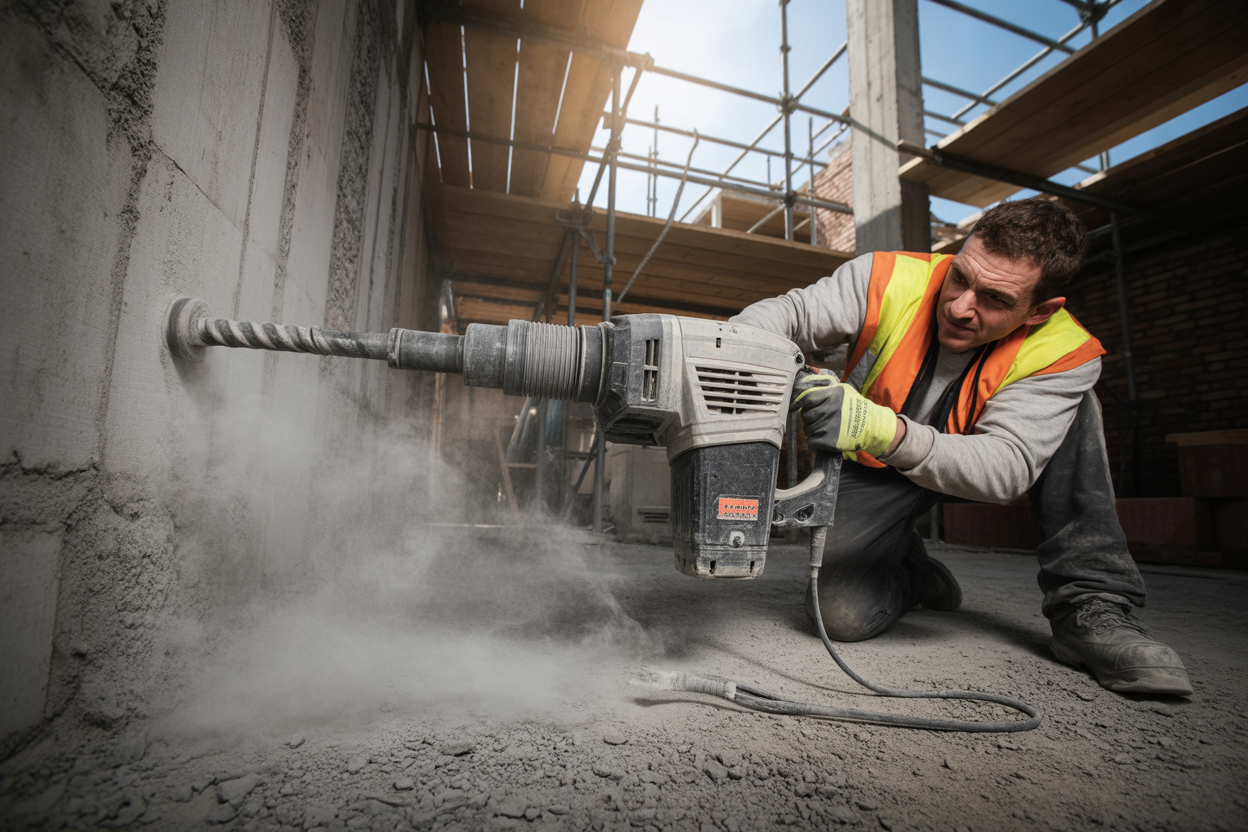
A rotary hammer1 is a powerful tool designed to handle tough tasks like drilling into concrete2, masonry, and other hard surfaces. It combines both rotary motion and a hammering action to make drilling much easier, especially in challenging materials.
Rotary hammers are mainly used for drilling through tough materials like concrete and stone. They use a combination of rotary motion and hammering to break through dense surfaces, making them ideal for heavy-duty jobs like construction and demolition.
When it comes to tough drilling tasks, a rotary hammer is the go-to tool. But what makes it different from other tools, like a hammer drill? And can it be used for other purposes like tile removal? Let’s dive in and explore these questions.
What is the difference between a rotary hammer and a hammer drill?
A rotary hammer and a hammer drill3 might seem similar, but they serve different purposes. A hammer drill is lighter and more suited for smaller jobs, while a rotary hammer is much stronger and intended for heavier, more demanding tasks.
While both tools can drill and hammer, a rotary hammer is designed for tougher jobs, like drilling into concrete. Hammer drills are lighter and more versatile, perfect for drilling into wood, metal, or masonry but lacking the power of a rotary hammer.
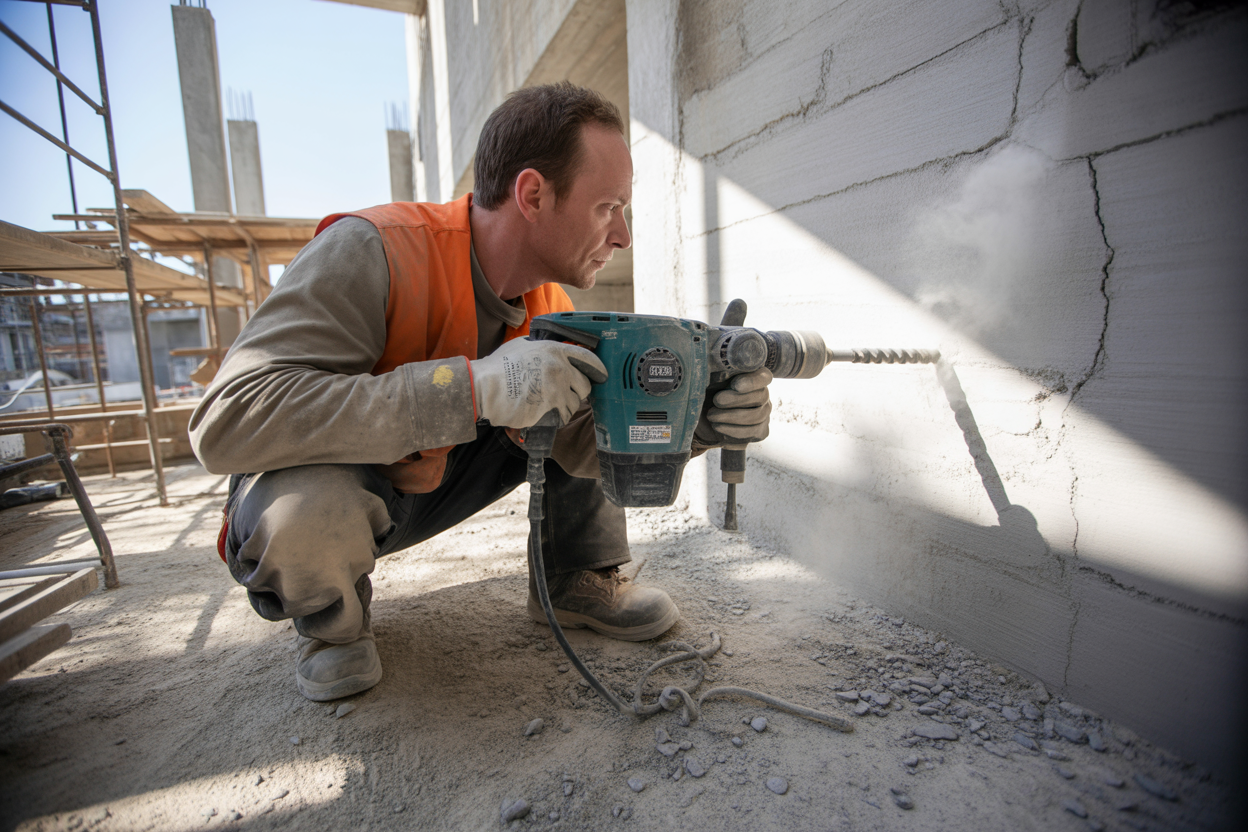
A rotary hammer uses a piston mechanism to create a much stronger hammering action than a hammer drill. This makes it ideal for heavy-duty tasks like drilling into concrete, stone, or brick. It also tends to be larger and heavier, requiring more physical effort to handle. On the other hand, hammer drills are lighter and more compact, making them easier to use for everyday tasks like drilling into wood, metal, or lighter masonry.
The primary difference lies in the mechanism that powers each tool. A hammer drill uses a hammering action alongside the rotational motion, but it’s less powerful. The hammer action in a rotary hammer is much more intense, and it’s capable of breaking through tougher materials with ease.
In terms of versatility, hammer drills can be used for various materials, including concrete, but for tougher jobs, a rotary hammer is the better choice. If you’re looking for something for general household projects, a hammer drill might do the job. But if you’re tackling larger construction projects, a rotary hammer is the way to go.
Can you use a rotary hammer to remove tile?
Yes, you can use a rotary hammer to remove tile, but it’s best suited for larger projects. The hammering function makes it effective for chipping away at grout or breaking through tiles. However, it’s a bit overkill for small tiling jobs, where a manual tool might be more suitable.
A rotary hammer can be used to remove tile, especially for larger projects. Its hammering action can help break through the grout and tiles, but it might be too powerful for small-scale jobs. It’s a great choice for demolition work in construction.

If you're working on a demolition project where tiles need to be removed from walls or floors, a rotary hammer can make the task much quicker. With the right chipping or scraping attachment, you can use the hammering action of the rotary hammer to break tiles away from surfaces with minimal effort.
However, if you’re just dealing with a few tiles in a smaller space, using a rotary hammer could cause unnecessary damage or mess. For those types of tasks, a simpler, less powerful tool like a tile scraper or a hammer drill with a chisel attachment would be more efficient. It’s all about matching the right tool to the job.
Can a rotary hammer drill be used as a regular drill?
While a rotary hammer can technically be used as a regular drill, it’s not ideal for everyday drilling tasks. It’s designed for heavy-duty tasks, so using it for light drilling can be overkill, and may even cause unnecessary wear on the tool.
A rotary hammer can be used as a regular drill in certain situations, but it’s not ideal for everyday tasks. Its heavy-duty design makes it less efficient for simple drilling jobs, where a standard drill would be more appropriate.

Rotary hammers come with adjustable settings, meaning they can work in “drill-only” mode where the hammering action is turned off. This feature allows you to use the tool as a regular drill, but there are a couple of things to keep in mind. The tool’s weight and size can make it cumbersome for standard drilling, especially for light materials like wood or metal.
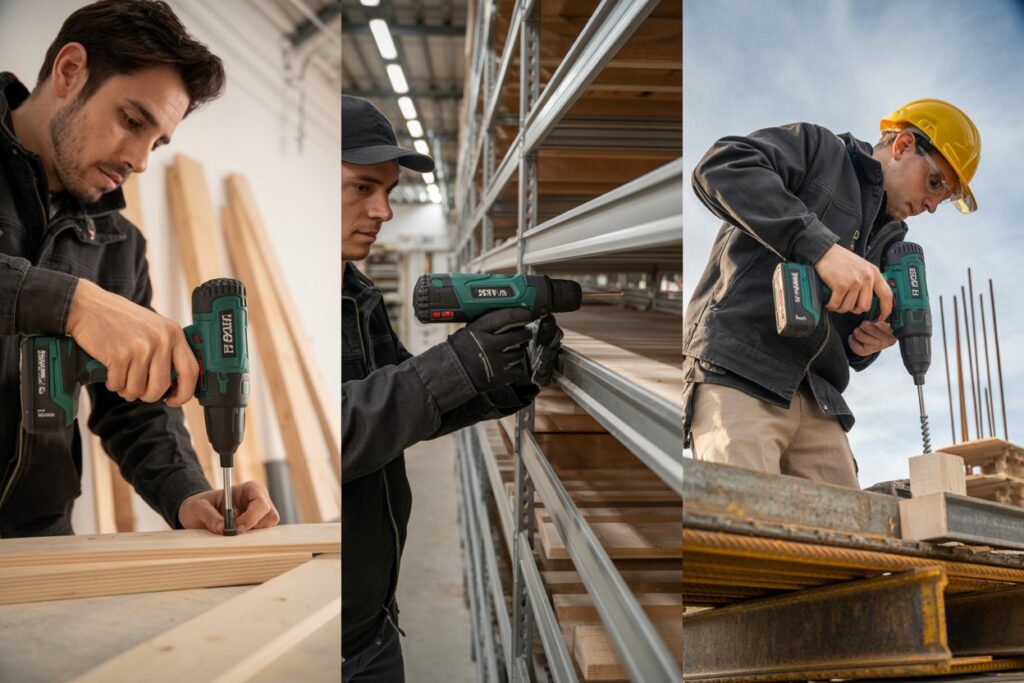
For regular drilling tasks, you’re better off using a standard drill4 or a hammer drill, which are lighter and designed for more general use. The rotary hammer shines when you need power for heavy-duty jobs5 like drilling into concrete or breaking through tough surfaces.
Conclusion
Rotary hammers are built for heavy-duty tasks like drilling into concrete and masonry. While they can be used for tile removal and regular drilling, it’s important to choose the right tool for the job to ensure efficiency and avoid unnecessary wear on your equipment.
-
Explore this link to understand the various applications and benefits of using a rotary hammer in construction and demolition. ↩
-
Learn more about the efficiency and techniques for drilling into concrete using a rotary hammer. ↩
-
This resource will clarify the distinctions between these two tools, helping you choose the right one for your project. ↩
-
Understand the scenarios where a standard drill is more appropriate than a rotary hammer for efficient work. ↩
-
Discover the types of heavy-duty tasks that rotary hammers excel at, ensuring you use the right tool for tough jobs. ↩